Porthendon, Cornwall · Est. 1891
Trevail's
Bakehouse
Same oven. Same crimp. Same reason.
Five generations of one family, baking the pasty that once fed a mine.
Porthendon, Cornwall · Est. 1891
Same oven. Same crimp. Same reason.
Five generations of one family, baking the pasty that once fed a mine.
1891
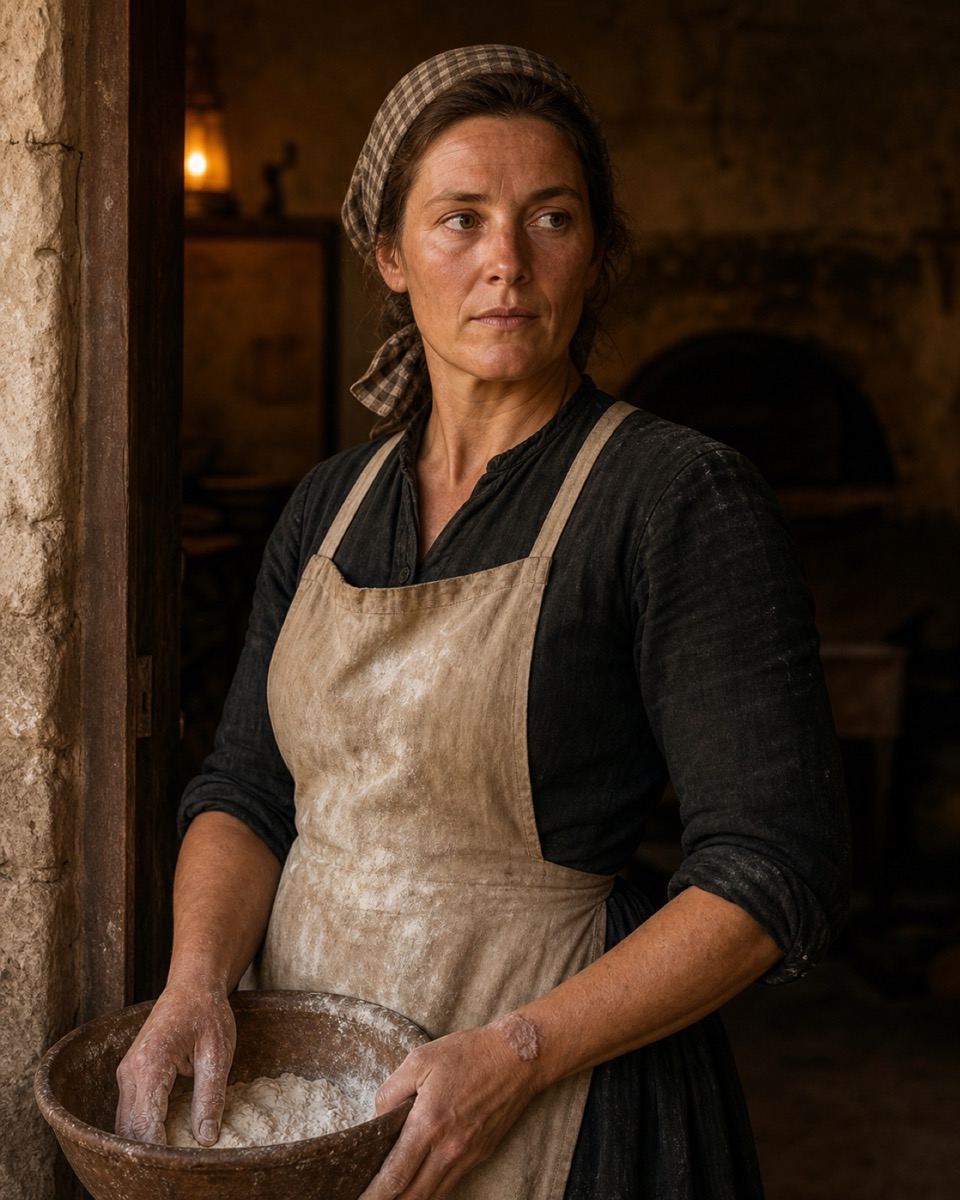
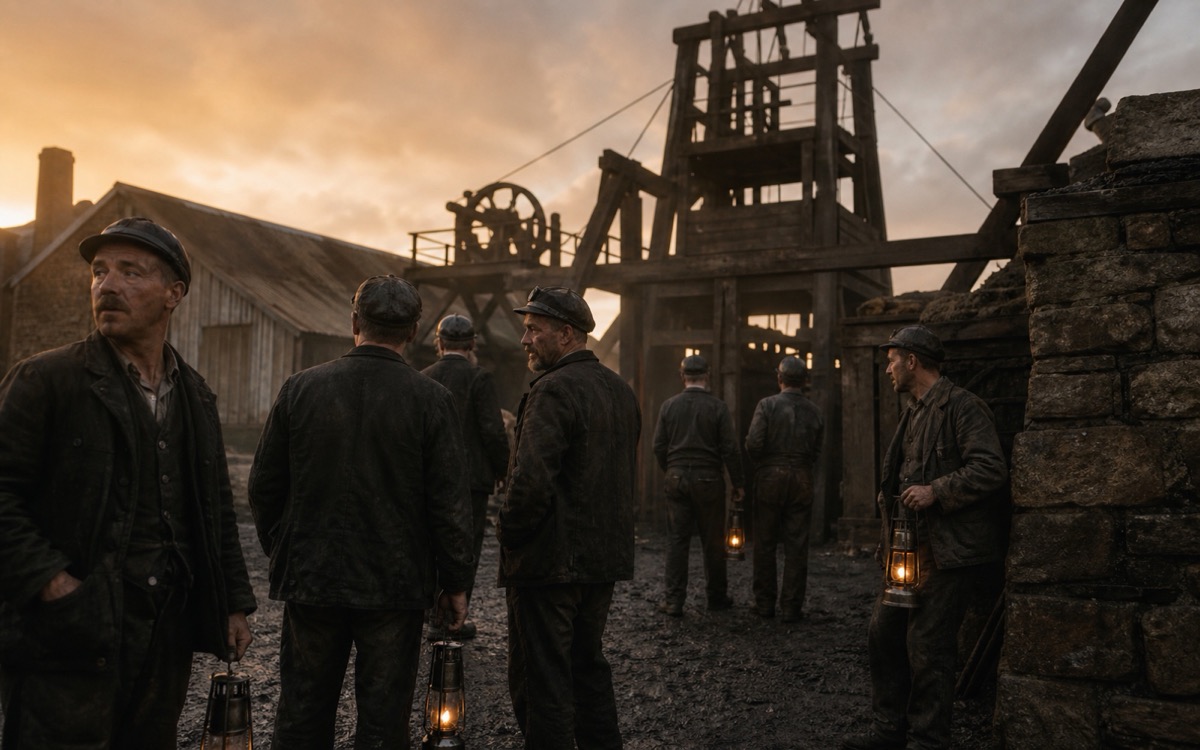
Jenna Trevail's husband went down Wheal Endon at seventeen. He didn't come up past forty. She had four children, a basket, and a reason to be at the shaft head every morning before the six o'clock bell.
What she carried in that basket had to do a job a sandwich couldn't. Sealed shut, it kept. Held in one hand, it left the other free for a shovel. And it had to be a whole meal — meat and veg at one end, something sweet at the other — because there was no second trip home to eat.
"Nobody down there had time to be hungry twice."
The Ritual
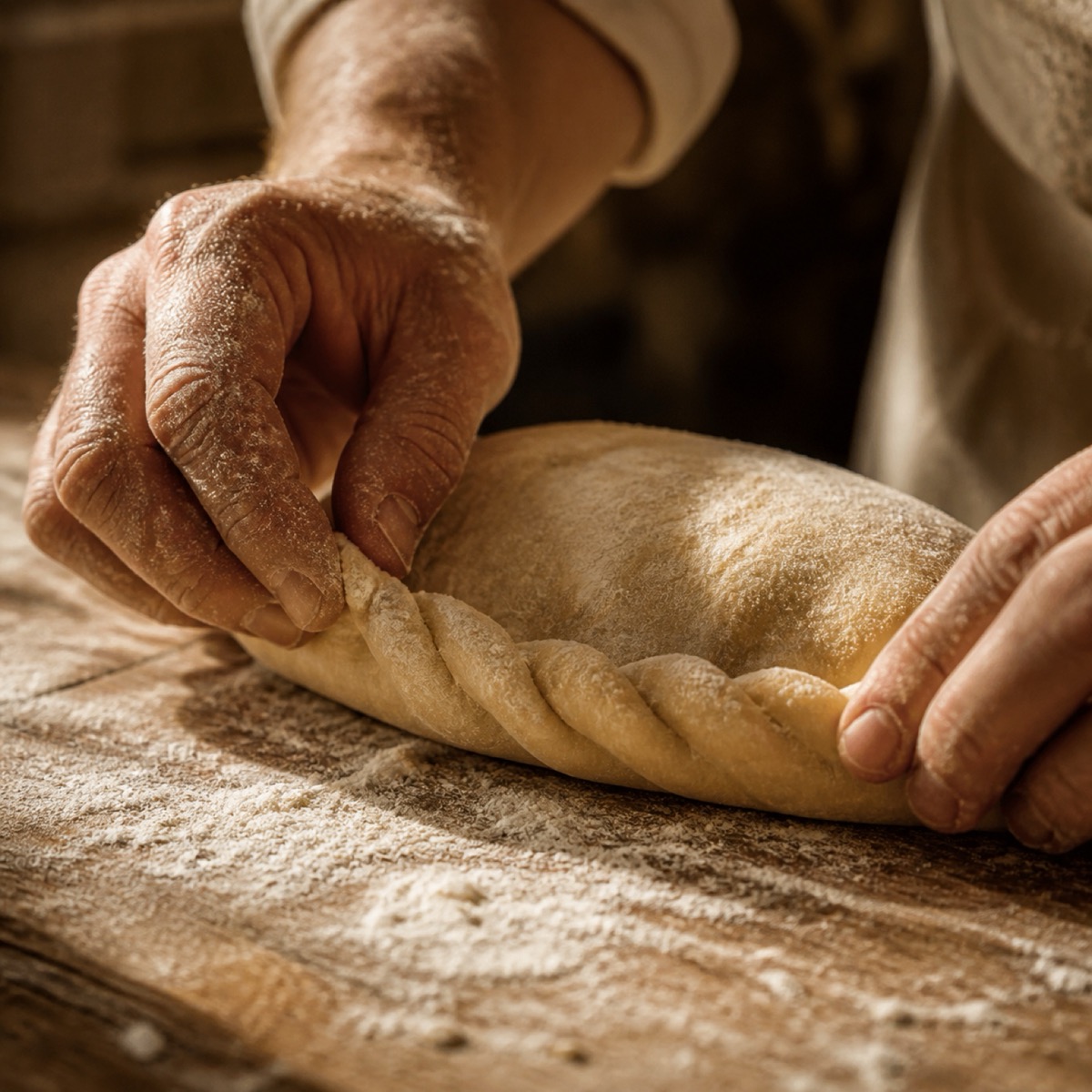
Cornish tin carries arsenic. A miner's hands did too, by the end of a shift. So the pasty was built with a handle: a thick crimped seam along the curve — thick enough to hold without touching the food inside, and to throw away without a second thought.
Some men left it on the rock anyway, for the knockers — the spirits said to live in the old workings and warn a miner before a shaft gave way. Belief or habit, it didn't matter. Nobody wanted to find out which.
Jenna's crimp took nineteen folds. It still does.
Midday
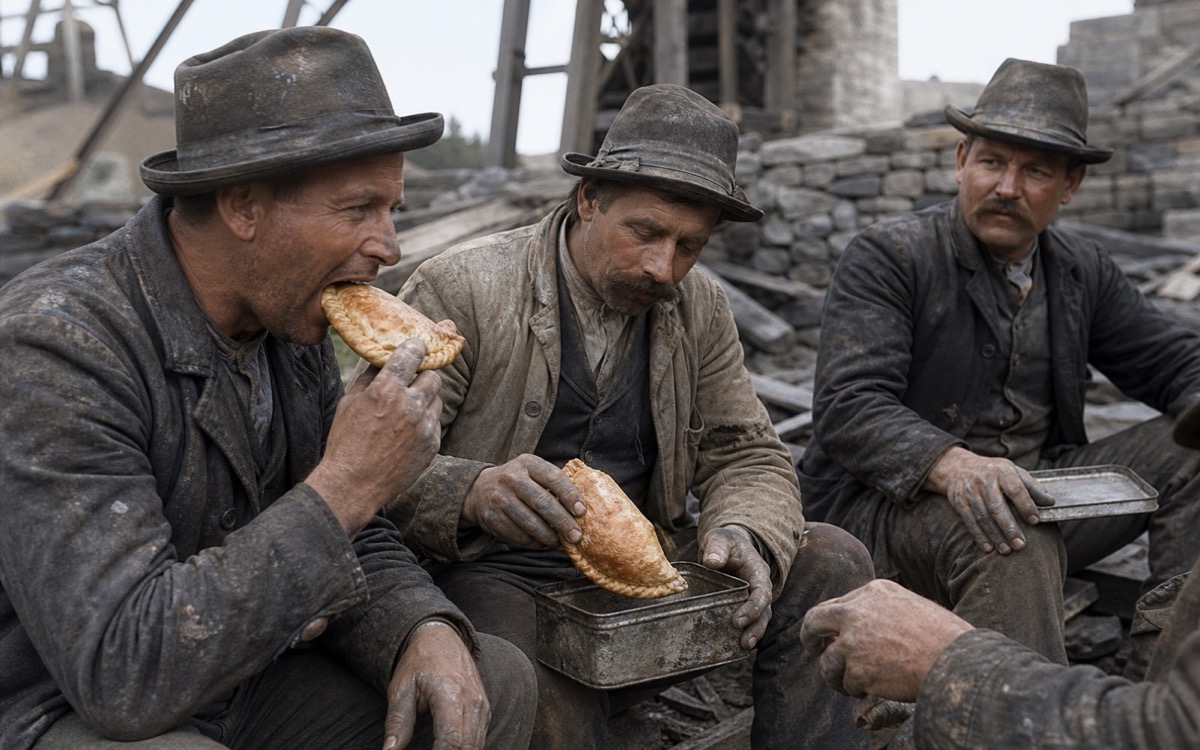
Midday meant ten minutes, not a meal break. The pasty came out of a battered tin lunch box or a cloth bundle, held by the crimp, eaten from the other end first. No plates. No sitting.
By the time only the crimp was left, most men had already decided whether it was going in a pocket or onto the rock behind them.
The Anatomy
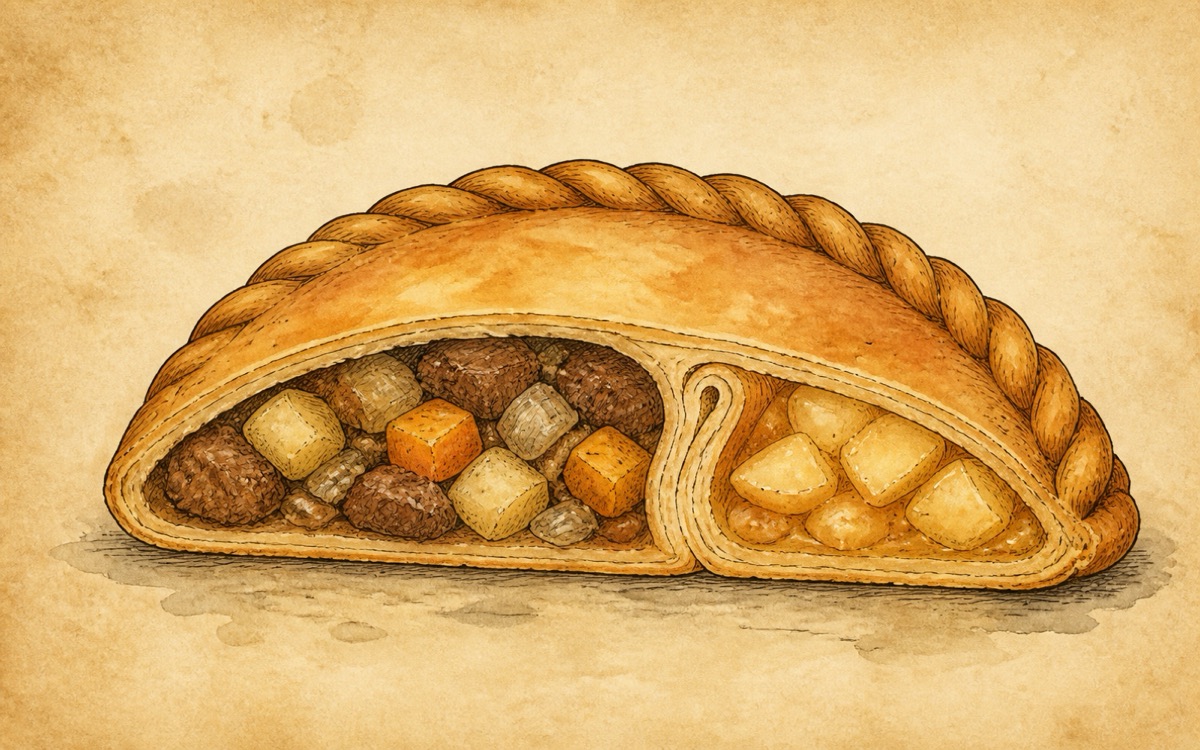
The Recipe
Beef skirt, potato, swede, onion, at one end. Apple at the other, sealed behind the same fold so the two never touch. Rolled by hand, crimped by hand, baked in the oven Jenna built into the back wall of the bakehouse — the same brick, relined twice, never replaced.
No one in the family has ever written the recipe down. It's taught hand over hand, the way Jenna taught her daughter, and her daughter taught hers.
2026 · Fifth Generation
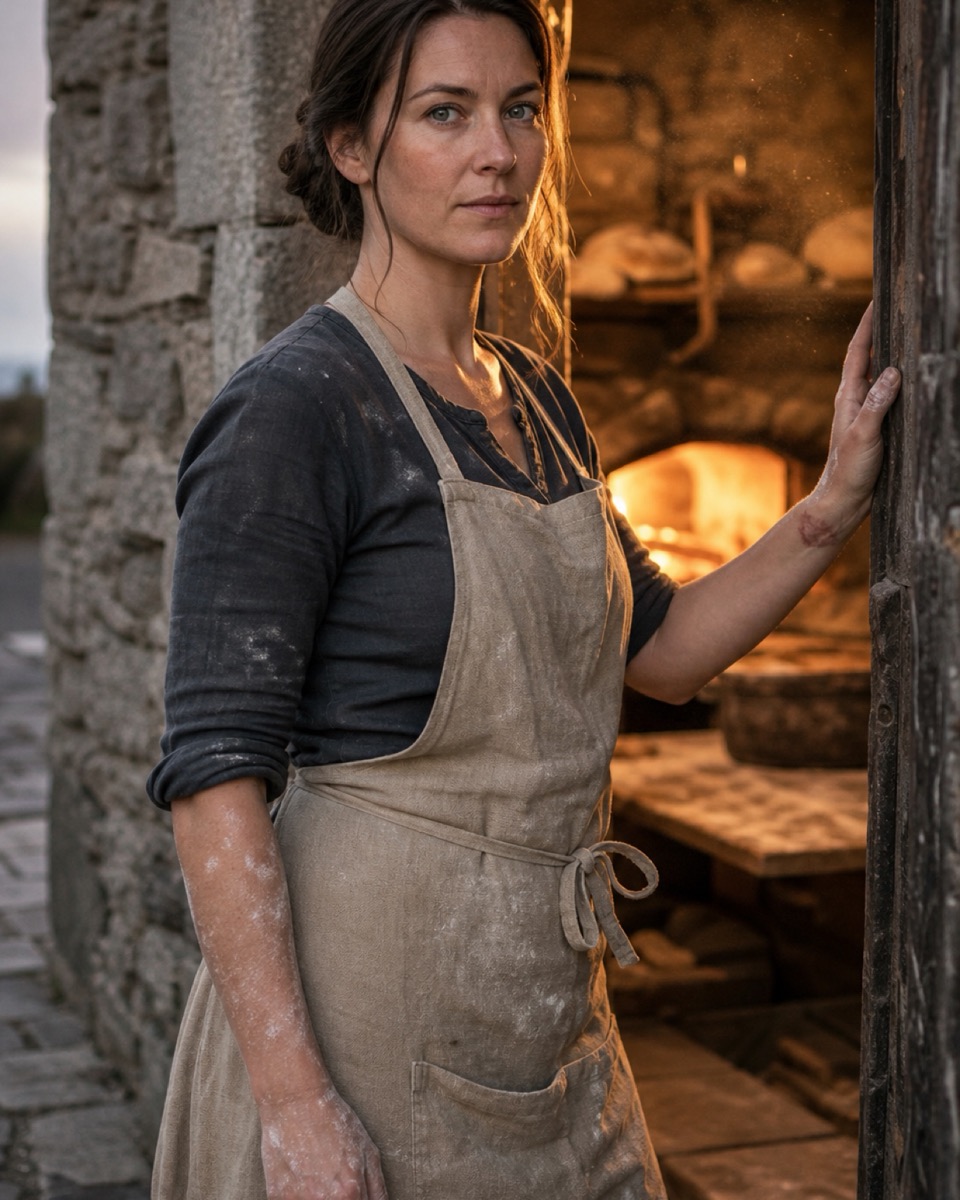
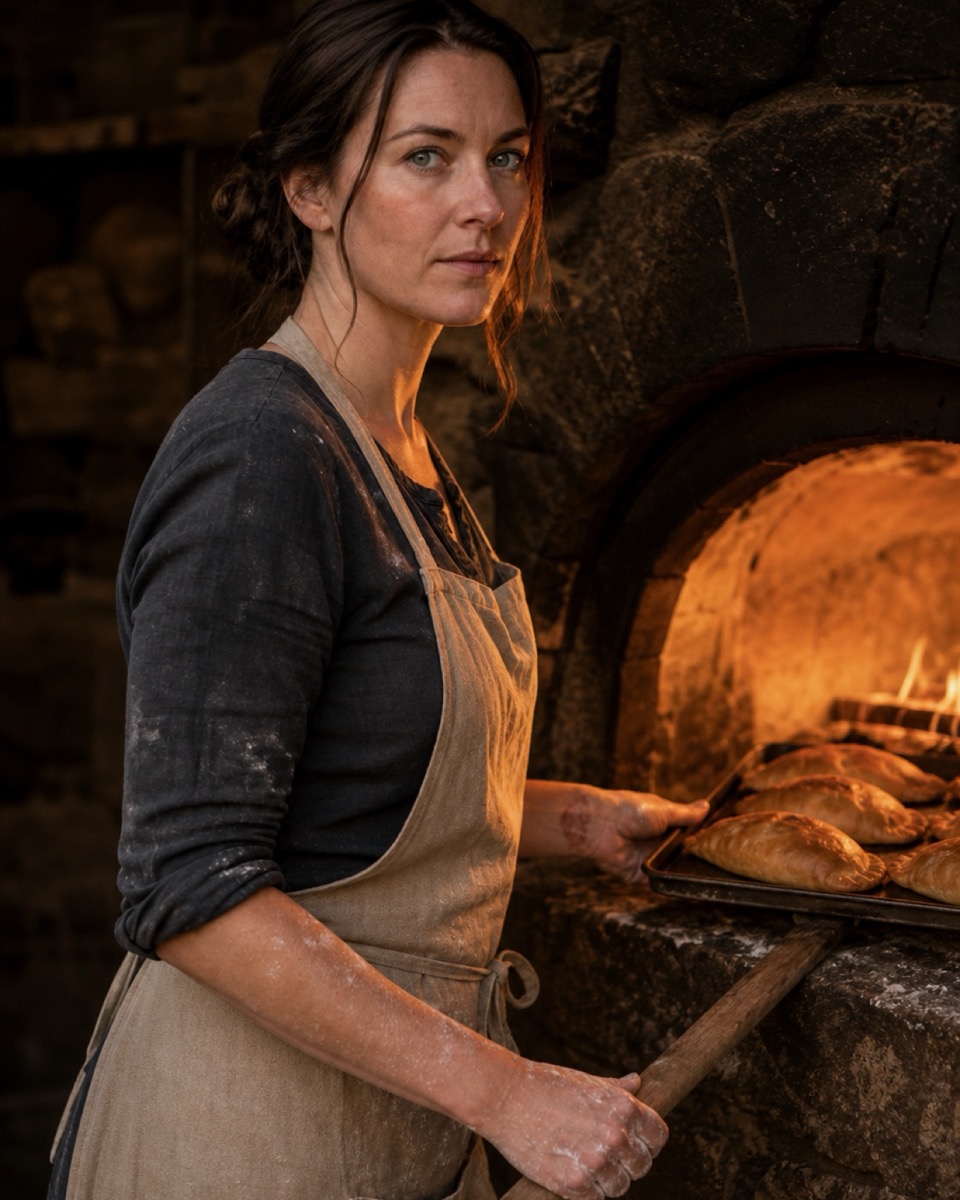
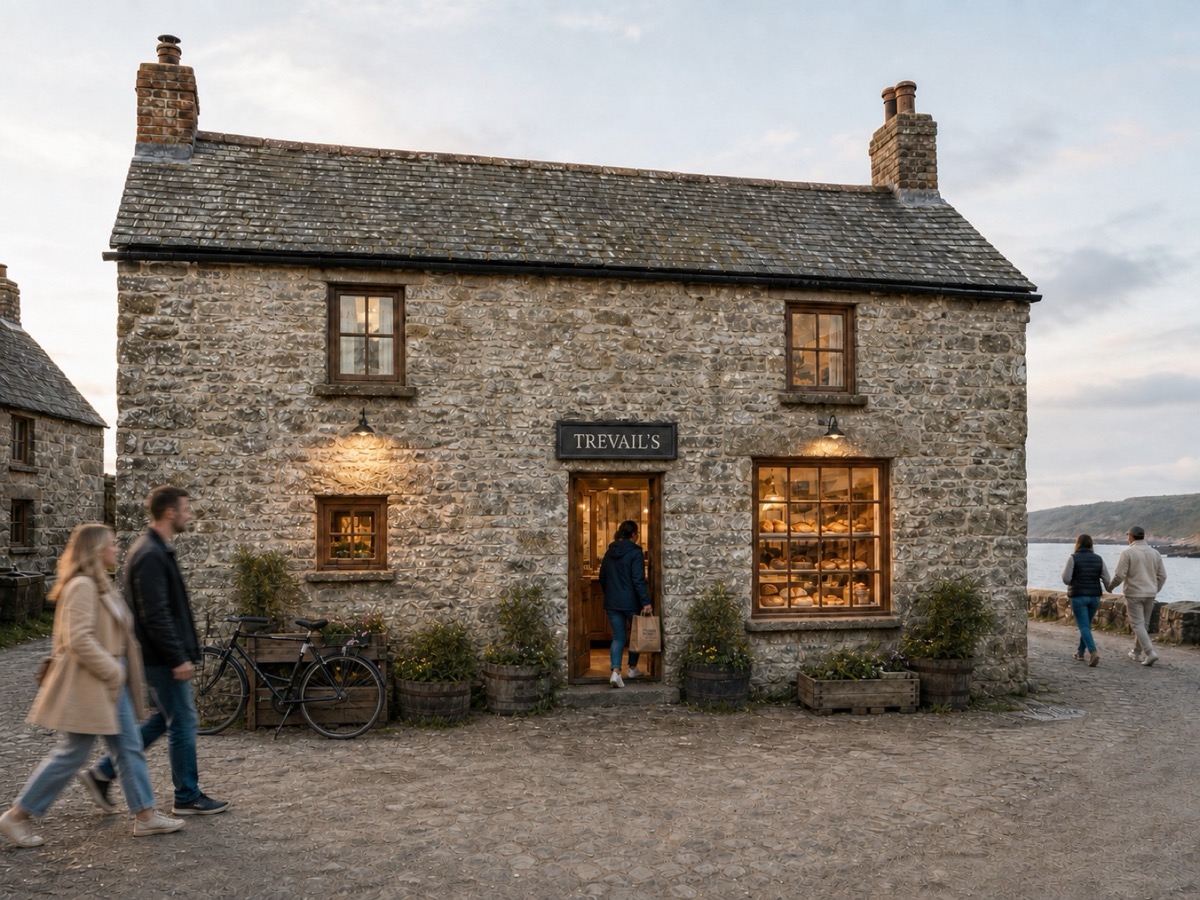
Same door, same stone floor, same hour before dawn. Elowen has Jenna's hands for it — the same callus, from the same spot on the same oven door, five generations apart.
The bakehouse still opens once, early, and closes when the last tray's gone. No reservations. No second batch.
1891 · 2026
 1891
1891
 Today
Today
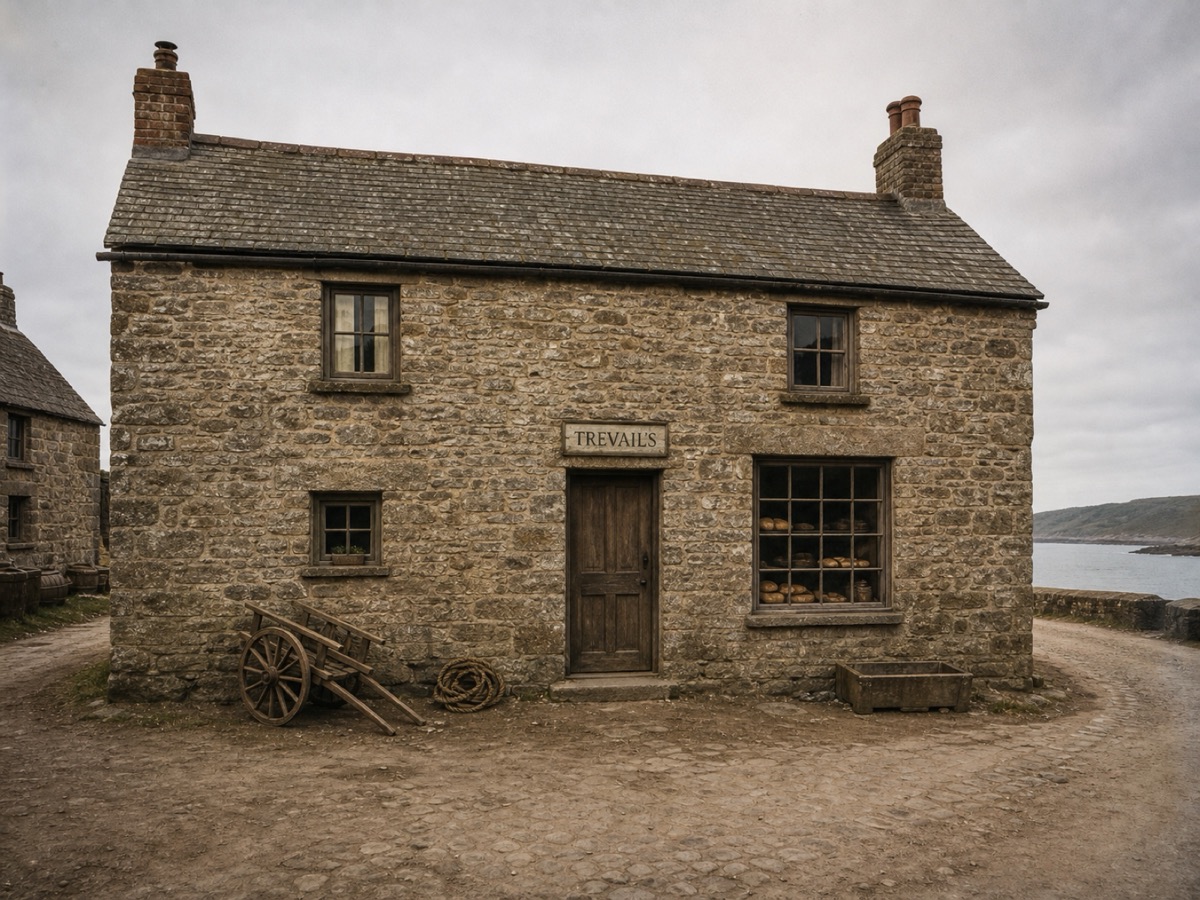
Fore Street, Porthendon, Cornwall.
Doors open 7am. Usually finished by ten.